
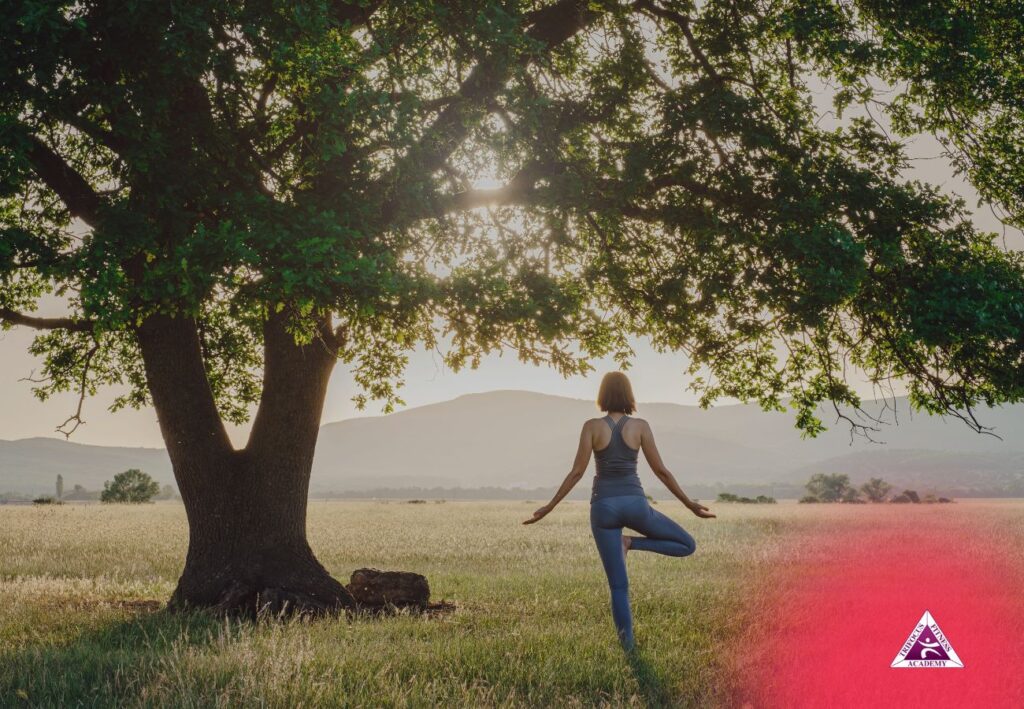
In a world that forces us to run around doing 100 things at once, juggling deadlines, distractions, and digital overload, finding moments to breathe, like breathing properly and in peace, is the most challenging thing to do. With an increasing amount of stress and emotional burnout, people are seeking tools to help them feel back in sync again. That’s where practising yoga comes in — and not simply as a workout, but to support emotional health and mental clarity.
Yoga is an ancient practice that has been used for thousands of years to enhance flexibility and strength, as well as to relax the mind and calm emotions. Today, whatever we do is purely physical and focused on body parts and their improvement, but the true meaning of yoga exercise is to find inner peace and balance amidst the chaos of life. Yoga is described as life in activity, and it is through a combination of mindful movement, breathwork, and meditative awareness that we can harness the tools yoga provides to help guide us through managing our emotions and staying grounded in the present.
How Yoga Exercise Calms the Nervous System
One of the primary ways yoga exercises promote emotional stability is through their direct impact on the nervous system. During times of increased stress, the sympathetic nervous system, commonly referred to as the “fight or flight” response, goes into overdrive.
This results in swirling thoughts, gasping breath, pounding pulse, and heightened anxiety. Yoga inverts this process by stimulating the parasympathetic nervous system, the “rest and digest” phase.
Yoga exercise: Using soft poses, breath control (pranayama) and movement with purpose, yoga exercise is said to quiet the body and mind. For example:
- Child’s Pose and Forward Bends help promote contemplation and silence.
- Pranayama (breathing) practices like Nadi Shodhana (alternate nostril breathing) restore emotional balance and calm the heart rate.
- Savasana (corpse pose) at the end of asana practice allows for deep relaxation and emotional release.
Every session, in some way, resets the nervous system, gradually retraining it to respond to stress with calm rather than panic. This is particularly useful for those who suffer from chronic anxiety or those who have difficulty loosening up following work or emotionally charged situations.
Practising yoga’s mindful movement allows you to examine bodily sensations and emotions. By mentally tuning in to how the body feels, practitioners can identify and release tension before it becomes mental or life stress or emotional overflow. Eventually, yoga practice nurtures a resilient internal climate in which peace becomes the default, not the exception.
It may serve as a practice for the brain to reach quiet spaces more easily, and to get there on its own, more readily, and more naturally.” When practiced systematically, says Feldman, yoga teaches the brain how to “access states of calm more easily and more readily” and that, no matter what, the practice is “welcoming and accepting, rather than resisting, of whatever emerges.” Think of it as the emotional equivalent of stepping onto the mat.
Using Yoga Exercise to Process and Release Emotions
Feelings aren’t just in the mind — they’re stored in the body. When we don’t process our stress, trauma, or tension, it can show up physically as tight hips, stiff shoulders, or shallow breathing. Yoga provides a secure and structured vehicle to channel, examine, and release these feelings without judgment.
Some yoga poses are especially potent for processing emotions:
- Opening the hips, such as in Pigeon Pose, is said to help release trapped emotional tension.
- Heart-opening poses, such as Camel or Bridge, may also help release pent-up emotions.
- Twists wring out the spine and detoxify internal organs, often bringing emotional clarity afterwards.
Emotions, both positive and negative ones like anger and sadness, are carried in different areas of your body and will be released while you practice yoga as well. When this crying occurs, it is your body letting go of the negative; you are releasing the toxins that fill your body, and it is generally a sign of healing. Yoga offers you a space to let these emotions move through you directly.
Connecting breath and movement also helps retrain emotional responses. For example, pushing through a challenging pose while continuing to breathe steadily trains the nervous system to remain steady in the face of discomfort, a skill that comes in handy for navigating difficult emotions off the mat.
Yoga also emphasises self-contemplation. When you start looking inward, you begin to see patterns in your emotions, reactions, and thoughts. This consciousness is the initial step toward changing emotional behaviours that do not work for you. Rather than stifling or running from them, yoga instructs you to witness them with compassion and release them when the time feels right.
Building a Daily Yoga Exercise Routine for Emotional Balance
Consistency is key to truly experiencing the emotional benefits of yoga. A consistent yoga practice, however bare and unadorned, balances the mood, tones down emotional reactivity, and restores a sense of inner stability. The trick is to establish a practice that suits your lifestyle and emotional needs.
- Lead-in Breathwork (5 minutes)
- Start your day with a few minutes of breath work. Options include:
- Breathing: box breathe them (inhale-hold-exhale-hold each for 4 seconds)
- Ujjayi breath (ocean breath to soothe the mind)
This grounds the nervous system and creates the vibrational resonance for emotional clarity. Add soft movement (10–15 minutes)
Look for slow, mindful flows that emphasise moving with ease and relaxing tension:
- Cat-Cow to awaken the spine
- Sun Salutations for power and rhythm
- Sitting stretches out the hips and hamstring muscles
- These yoga practices connect the body to the earth and release the emotions.
Include a Brief Meditation (5 minutes)
End your routine with a period of silent reflection. Sitting in stillness, concentrating on the breath or repeating a calming mantra to yourself — “I am at peace,” for example — can be very helpful. Meditation also enhances the mental aspect of the physical practice.
Evening Wind-Down Option
If you don’t have time in the mornings, consider doing a restorative yoga session in the evening. Add poses such as Legs-Up-the-Wall and Reclined Bound Angle to help release the day’s emotional weight.
The joy of yoga is how flexible it is — you don’t need a whole hour, or a perfect set-up. Just 15 minutes a day can hugely benefit your emotional health. Over time, this daily or twice-daily personal practice evolves into a valuable space for grounding yourself, regaining mental balance, and restoring emotional peace.
The Science Behind Yoga and Emotional Regulation
The emotional perks of yoga are not just anecdotal — they’re backed by science. Studies have shown that yoga exercise enhances brain chemistry, stabilises hormones and psychological balance, and serves as a therapeutic practice for mental well-being and emotional fitness.
Key Scientific Findings:
- Cortisol Reduction: Repeated yoga practice helps decrease cortisol, your body’s primary stress hormone, leading to reduced anxiety and improved mood.
- Enhanced GABA Levels: Yoga is believed to enhance gene expression within the system and increase gamma-aminobutyric acid (GABA), a neurotransmitter known to have a calming effect on the brain and aid in emotional regulation.
- Enhanced Heart Rate Variability (HRV): Greater HRV indicates an increase in emotional regulation, and yoga exercise has also been shown to improve this indicator for nervous system health.
- Vagus Nerve Activation: Deep breathing and gentle motion help wake up your vagus nerve, the regulator of digestion, mood, and emotional resilience.
Some neuroscientists have even shown that yoga increases the grey matter in the parts of the brain responsible for emotional awareness and self-control. This validates the stories I hear all the time from people about how they feel at the beginning of each practice- so much more grounded, less reactive, and able to deal with their emotions.
On a purely psychological level, I believe that yoga exercises interrupt the pattern of stress-induced rumination. Through attention to breath and movement, it disrupts negative thought patterns and promotes mindfulness. That, in turn, dampens the emotional impact and aids recovery from emotionally arousing experiences.
Within clinical contexts, yoga is employed as an adjunctive treatment for anxiety, depression, PTSD, and emotional dysregulation disorders. The increasingly robust body of evidence is proving what yogis have known for centuries: yoga is a profound tool for healing body and mind.
Conclusion
In a world that races by faster and faster, while stress and pressures build, finding a sense of balance and peace within is essential. Yoga exercise offers an age-old yet convenient and effective means to attain inner peace and emotional balance. It is about more than just physical exercise; yoga is a lifestyle that nurtures the body, mind, and spirit.
From working through anxiety to simply getting through a bad day, yoga is a tool to process emotions, ease the nervous system, and develop self-awareness. With mindful movement, mindful breath, and mindful rest, yoga practice frames a way for us to slow down, tune in, and find stability within ourselves—even when the outside world feels like it’s spinning out of control.
Contact Trifocus Fitness Academy
Explore the rewarding path of becoming a certified Yoga instructor. Unleash your potential and inspire others on your journey with Trifocus Fitness Academy’s comprehensive Yoga program.

Frequently Asked Questions
Yoga can help tame the nervous system, reduce stress hormones like cortisol, and calm the mind through breathwork and mindful movement. It promotes emotional consideration, linking sensations felt in the body to inner states. You’re cued to stay in the moment as you move in and out of poses, helping to interrupt patterns of anxiety and emotional reactivity. When we regularly practice yoga, we stay well, we feel good, and we create a strong emotional foundation by showing the mind and body how to respond to stress from a centred place, rather than as though the world is coming to an end.
Yes. Studies have found that yoga reduces symptoms of anxiety and depression by promoting relaxation in the body, balancing the brain chemicals, and increasing self-awareness. Breath-based movements and restorative poses activate the parasympathetic nervous system, which can quiet anxious thoughts and relieve emotional tension. Yoga asanas also provide a space to reflect and experience one’s emotions. It’s not a replacement for professional therapy, but it’s a strong supplement for mood management and better mental health in general.
Soft yoga exercises, such as forward bends, child’s pose, legs-up-the-wall, and deep breathing, are great for quieting the mind. They’re designed to trigger the relaxation response and minimise stimulation, both of which can help relieve hyperactive thoughts. Add sets of yoga moves that involve meditation or slow flows for the best mental clarity and focus results. When awareness of the breath is combined with the stillness of the body, the mind can settle naturally, providing a profound sense of rest and emotional balance during times of anxiety and stress.
For balance in emotions, working 3-5 times per week is productive. Even shorter daily sessions, of 10-20 minutes, can have a profound effect. It’s more important to be consistent than hardcore. Regular practice helps balance your emotions, improve mental focus, and build stress resilience over the long term. You can start small with basic breathwork and gentle poses and then build from there. Including yoga exercise in your lifestyle allows room for peace, self-examination, and emotional release.
Absolutely. Yoga exercise is suitable for all levels, including beginners, and helps reduce emotional stress. You don’t have to be flexible or have experience — just willing to try. Begin with simple poses and guided breathwork, if you prefer. Easy-going yoga styles, such as restorative or yin, are especially great for emotional release. Over time, yoga practice helps develop inner calm, fortitude, and clarity by gently guiding you through movement, breath, and reflection on your terms.
Yes. Emotion is held in the body, especially in places like the hips, shoulders, or chest. By incorporating specific poses into yoga and conscious breathing, yoga practice helps release this tension. Hip openers, backbends, and twists can unlock physical zones in which emotional energy gets trapped. Expect unexpected emotions as you practice — it’s all part of the healing process. Practising yoga can provide a safe and mindful space to reflect and release some of this emotional stress in a gentle, purposeful way.