
LATEST FITNESS BLOGS
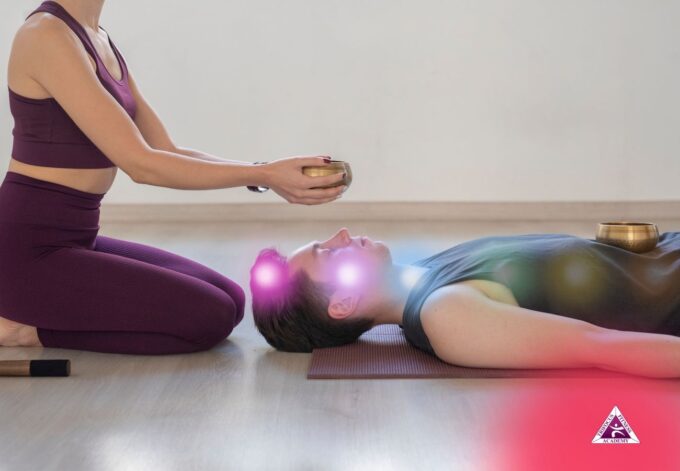
The Science Behind Yoga’s Impact on the Nervous System
Yoga is a centuries-old practice that works as a holistic approach to improve Physical health, Mental clarity, and Emotional balance. Although yoga is known for its flexibility and relaxation, it has significant impacts on the Neurological system as well. Over the past few decades, however, scientists have started investigating how…

How Pilates Improves Body Awareness and Proprioception
In an era in which people often falter over time to physical complacency and digital stimuli, few these days know the simple movements they already possess because of the common fault of detaching from our bodies’ native movements. Proprioception and body awareness are both crucial for maintaining balance and coordination,…

The Benefits and Strength of Pilates for Busy Professionals
Today, busy professionals struggle with this because they also need to make time for their fitness, but they have busy schedules. Most people do not have the time or energy for long workouts at the gym or high-impact exercise. Pilates exercises provide a workable and effective solution to this problem.…

How Pilates Builds Endurance Without High Impact
When someone hears endurance training, they most likely think of gruelling cardio, heavy lifting and high-impact exercises that are hard on the joints and muscles. But high-impact workouts are not the best fit for everyone. Suppose you are looking for an easier way to build your stamina and strength. In…

The Psychological Benefits of Regular Pilates Practice
In this age of ever-increasing focus on mental well-being, people are looking for generally holistic strategies to combat stress, anxiety and keep emotional well-being in check. Pilates is one such potent technique that, when practised regularly, can be very beneficial. Pilates exercise is best known for its physical benefits, including…

How Pilates Supports Balance in Ageing Populations
As we get older, balance becomes even more essential to maintaining mobility, independence and quality of life. The decline in muscle strength, lower flexibility, and less proprioception also causes older adults to fall easily; they are commonly one of the most frequent causes of injuries among elders. In contrast to…
Blog Categories
Related Blogs
- Understanding Body Mechanics for Safe Group Exercise Instruction
- Legal Considerations for Freelance Group Exercise Instructors
- Client Success Stories from Group Exercise Participation
- Personal Training for Different Age Groups and Lifestyles
- Understanding Biomechanics and Its Role in Personal Training
- The Role of Personal Training in Supporting Healthy Ageing
- Personal Training for New Parents Returning to Exercise
- How Personal Training Addresses Muscle Imbalances