
LATEST FITNESS BLOGS
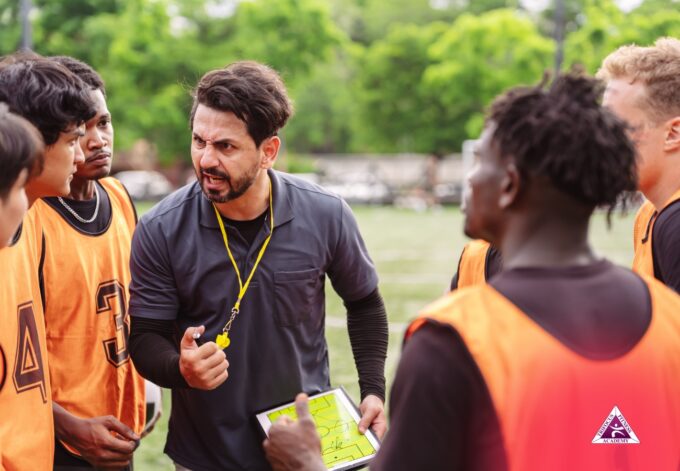
Sports Coaching Communication Across Cultures and Languages
Communication is among the most crucial competencies in sports. Coaches must ensure techniques are explained, feedback is given, athletes are encouraged to perform, conflict is managed, and players understand expectations. The responsibilities are more complicated when athletes come from diverse cultures and speak different languages. Sports Coaching in multicultural settings…

Sports Coaching Strategies for Transitioning Athletes Between Levels
Transition from one sport to another can be an important developmental phase for an athlete. Transitions may occur between competing in junior and senior sport, from amateur to professional, from school to University, or from recreational to competitive sport, and can bring new expectations and challenges. Sports Coaching is a…

Sports Coaching Guide to Long-Term Athlete Development
Creating an athlete is an ongoing process, and it’s much bigger than getting better for a game or a season. Development opportunities for athletes should be provided at various stages to build physical capacity and technical skills, confidence and decision-making, resilience, health, and training habits. Effective sports coaching strongly influences…
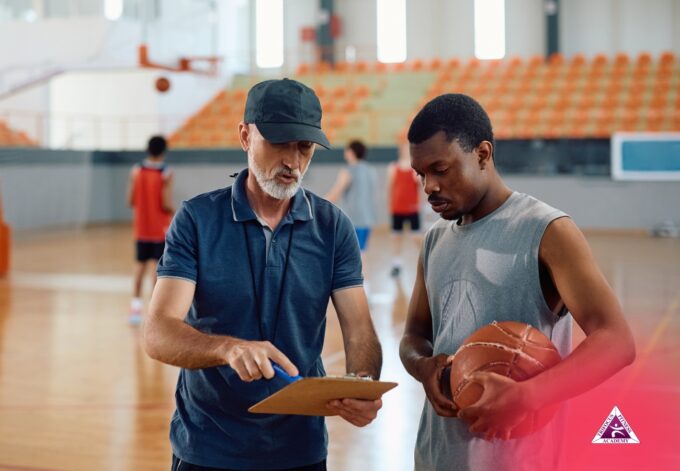
Sports Coaching Strategies for Skill Retention and Performance
Athletes devote a lot of time to learning technical movements, tactical patterns, decision-making, and competition strategies. But developing a skill is not enough. Another key part of the training process is remembering what they’ve learned and using that knowledge consistently in varying circumstances. This is why it’s vital to retain…
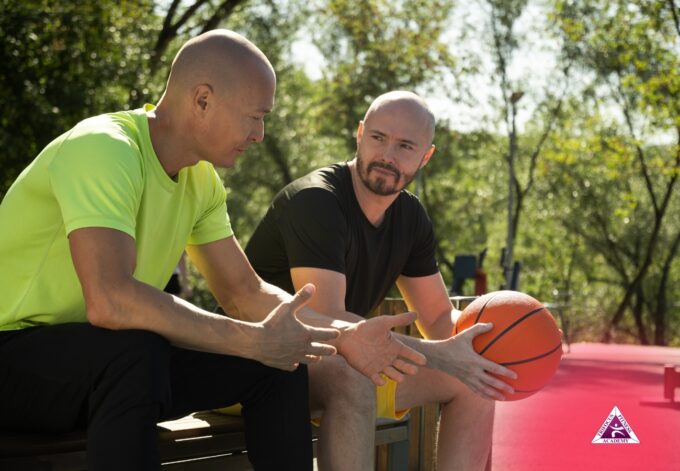
Sports Coaching Self-Regulation and Focus in Competitive Athletes
Winning in competitive sport relies on more than just physical fitness, technique and tactics. Mental skills are also key to an athlete’s ability to perform under pressure, respond to challenges, and perform consistently during training and competition. Self-regulation and concentration are two of the most useful psychological skills that athletes…
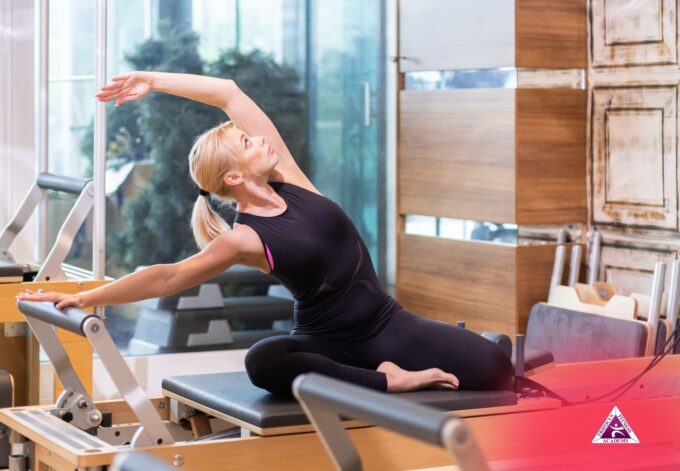
Pilates for Improving Joint Stability and Longevity
Healthy joints support comfortable movement, independence, and physical confidence throughout life. The body’s joints are designed to provide movement and stability. Still, they can become less resilient when the surrounding muscles are weak, movement patterns are inefficient, or physical activity is reduced. Improving joint support may help daily functioning and…
Blog Categories
Related Blogs
- Understanding Body Mechanics for Safe Group Exercise Instruction
- Legal Considerations for Freelance Group Exercise Instructors
- Client Success Stories from Group Exercise Participation
- Personal Training for Different Age Groups and Lifestyles
- Understanding Biomechanics and Its Role in Personal Training
- The Role of Personal Training in Supporting Healthy Ageing
- Personal Training for New Parents Returning to Exercise
- How Personal Training Addresses Muscle Imbalances