
LATEST FITNESS BLOGS
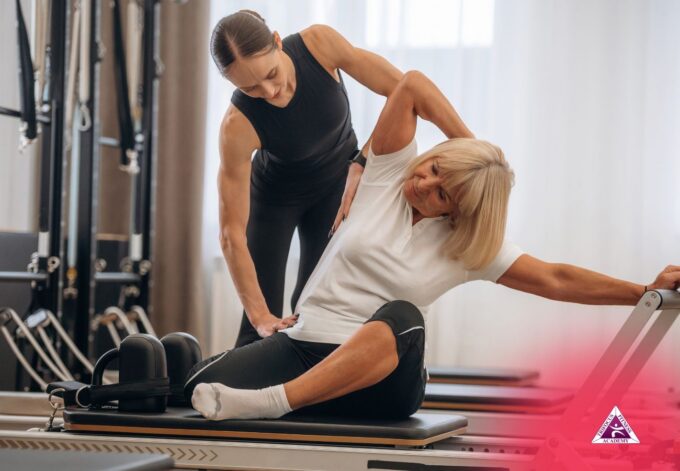
How Pilates Supports Nervous System Regulation
The nervous system supports the body’s response to new physical and emotional needs. It affects movement, breath, heart rate, attention and the ability to alternate activity with recovery. During prolonged stress, individuals might notice muscle tension, restless breathing, difficulty concentrating, or an inability to relax. Pilates combines controlled movement, focused…
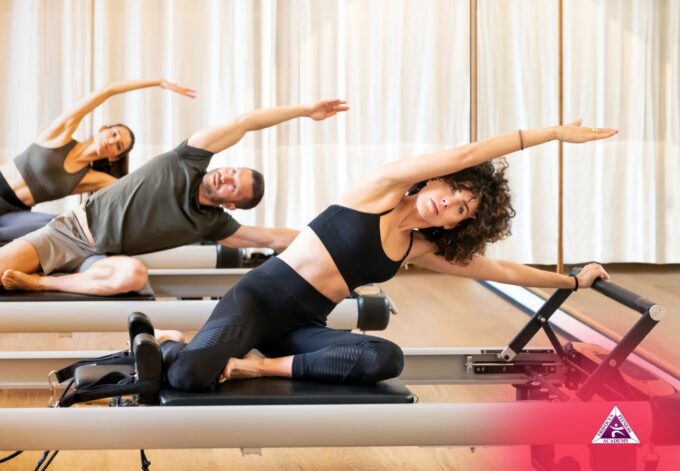
How Often Should You Practice Pilates for Best Results
In any exercise programme, consistency matters, and Pilates is no different. People may have different primary objectives, such as building strength, enhancing movement control, building flexibility, improving posture, or simply being more physically active. Practice frequency will depend on these objectives, as well as the person’s fitness level, recovery needs,…
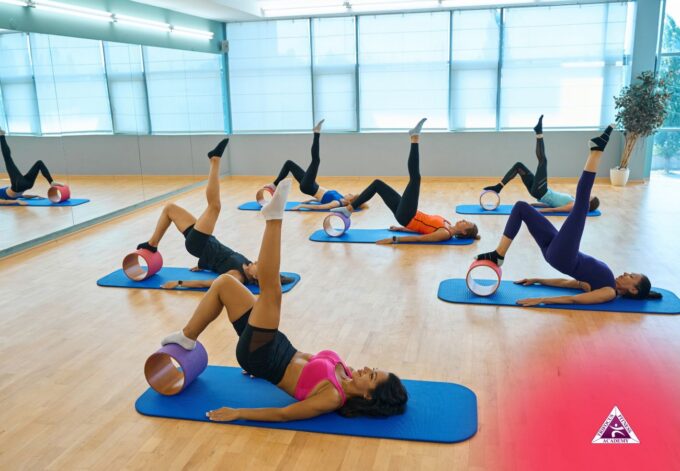
When to Progress from Mat to Reformer Pilates
In mat-based Pilates, you can quickly build body awareness, trunk control, mobility, coordination, and basic strength. Mat exercises can teach the rules of movement before more complex equipment is used, since many exercises rely on the body for resistance and gravity. Reformer Pilates uses a special machine with a moving…
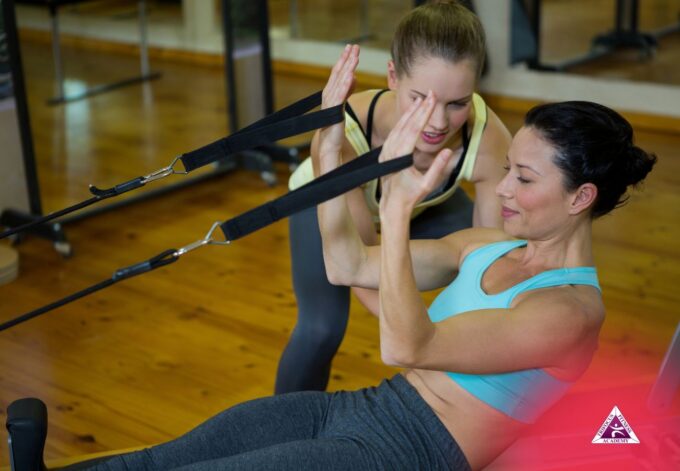
How Pilates Training Improves Coaching Confidence
Confidence in teaching others goes beyond knowing the exercises. Teachers must understand movement principles, give clear instructions, watch technique, modify exercises, and respond appropriately to students’ abilities and limitations. Training in structured Pilates can help develop these professional skills and provide a stronger foundation for confident teaching. During training, future…
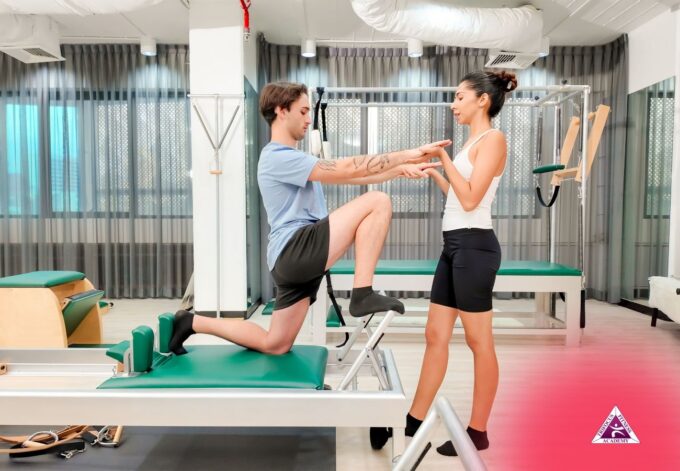
Pilates for Reducing Chronic Tension and Muscle Imbalances
Constant muscle tension can impact comfort, mobility, posture and daily activities. You may notice tightness around the neck and shoulders, stiffness through the hips or lower back, or differences in strength and control across different parts of the body. These patterns can emerge with sustained sedentary periods, repetitive exercises, previous…
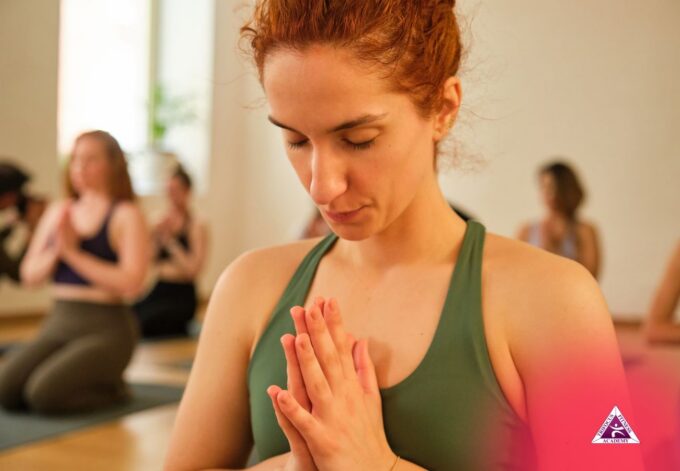
The Role of Yoga in Improving Interpersonal Relationships
Interpersonal relationships are built on communication, understanding of others, respect, emotional awareness, and patience. But amid daily hassles, a busy life, and personal issues, it’s not always easy to maintain these qualities. People may feel overwhelmed or emotionally exhausted and become less patient, less able to take responsibility for their…
Blog Categories
Related Blogs
- Understanding Body Mechanics for Safe Group Exercise Instruction
- Legal Considerations for Freelance Group Exercise Instructors
- Client Success Stories from Group Exercise Participation
- Personal Training for Different Age Groups and Lifestyles
- Understanding Biomechanics and Its Role in Personal Training
- The Role of Personal Training in Supporting Healthy Ageing
- Personal Training for New Parents Returning to Exercise
- How Personal Training Addresses Muscle Imbalances